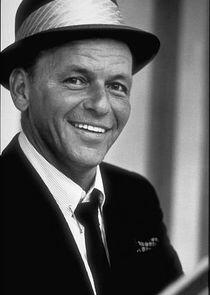
Frank Sinatra
CountryUnited States 
GenderMale
Birthdaydéc. 12, 1915
Death1988-05-14
BiographyFrancis Albert Sinatra (December 12, 1915 – May 14, 1998) was an American singer and actor. Nicknamed the "Chairman of the Board" and "Ol' Blue Eyes", he is regarded as one of the most influential entertainers of the 20th century.
Born to Italian immigrants in Hoboken, New Jersey, Sinatra began his musical career in the swing era. He joined the Harry James band as the vocalist in 1939 before signing with Columbia Records four years later and becoming the idol of the "bobby soxers". In 1946, Sinatra released his debut album, The Voice of Frank Sinatra. He then signed with Capitol Records and released several albums with arrangements by Nelson Riddle, notably In the Wee Small Hours (1955) and Songs for Swingin' Lovers! (1956). In 1960, Sinatra left Capitol Records to start his own record label, Reprise Records, releasing a string of successful albums. He collaborated with Count Basie on Sinatra-Basie: An Historic Musical First (1962) and It Might as Well Be Swing (1964). In 1965, he recorded September of My Years and starred in the Emmy-winning television special Frank Sinatra: A Man and His Music. After releasing Sinatra at the Sands the following year, Sinatra recorded one of his most famous collaborations with Tom Jobim, Francis Albert Sinatra & Antonio Carlos Jobim. It was followed by 1968's Francis A. & Edward K. with Duke Ellington. Sinatra retired in 1971 following the release of "My Way" but came out of retirement two years later. He recorded several albums and released "New York, New York" in 1980. Sinatra is among the world's best-selling music artists, with an estimated 150 million record sales globally.
Sinatra also forged a highly successful acting career. After winning the Academy Award for Best Supporting Actor for From Here to Eternity (1953), he starred in The Man with the Golden Arm (1955) and The Manchurian Candidate (1962). Sinatra also appeared in musicals such as On the Town (1949); Guys and Dolls (1955); High Society (1956); and Pal Joey (1957), the last of which won him a Golden Globe Award. Toward the end of his career, Sinatra frequently played detectives, including the title character in Tony Rome (1967) and the titular The Detective (1968). He received the Golden Globe Cecil B. DeMille Award in 1971. Sinatra also directed the anti-war drama None but the Brave (1965). On television, The Frank Sinatra Show began on CBS in 1950, and Sinatra continued to make appearances on television throughout the 1950s and 1960s.
Sinatra was recognized at the Kennedy Center Honors in 1983, awarded the Presidential Medal of Freedom in 1985, and received the Congressional Gold Medal in 1997. He earned 11 Grammy Awards, including the Grammy Trustees Award, Grammy Legend Award, and the Grammy Lifetime Achievement Award. American music critic Robert Christgau called Sinatra "the greatest singer of the 20th century" and he continues to be regarded as an iconic figure.
Biography from the Wikipedia article Frank Sinatra. Licensed under CC-BY-SA. Full list of contributors on Wikipedia.
Born to Italian immigrants in Hoboken, New Jersey, Sinatra began his musical career in the swing era. He joined the Harry James band as the vocalist in 1939 before signing with Columbia Records four years later and becoming the idol of the "bobby soxers". In 1946, Sinatra released his debut album, The Voice of Frank Sinatra. He then signed with Capitol Records and released several albums with arrangements by Nelson Riddle, notably In the Wee Small Hours (1955) and Songs for Swingin' Lovers! (1956). In 1960, Sinatra left Capitol Records to start his own record label, Reprise Records, releasing a string of successful albums. He collaborated with Count Basie on Sinatra-Basie: An Historic Musical First (1962) and It Might as Well Be Swing (1964). In 1965, he recorded September of My Years and starred in the Emmy-winning television special Frank Sinatra: A Man and His Music. After releasing Sinatra at the Sands the following year, Sinatra recorded one of his most famous collaborations with Tom Jobim, Francis Albert Sinatra & Antonio Carlos Jobim. It was followed by 1968's Francis A. & Edward K. with Duke Ellington. Sinatra retired in 1971 following the release of "My Way" but came out of retirement two years later. He recorded several albums and released "New York, New York" in 1980. Sinatra is among the world's best-selling music artists, with an estimated 150 million record sales globally.
Sinatra also forged a highly successful acting career. After winning the Academy Award for Best Supporting Actor for From Here to Eternity (1953), he starred in The Man with the Golden Arm (1955) and The Manchurian Candidate (1962). Sinatra also appeared in musicals such as On the Town (1949); Guys and Dolls (1955); High Society (1956); and Pal Joey (1957), the last of which won him a Golden Globe Award. Toward the end of his career, Sinatra frequently played detectives, including the title character in Tony Rome (1967) and the titular The Detective (1968). He received the Golden Globe Cecil B. DeMille Award in 1971. Sinatra also directed the anti-war drama None but the Brave (1965). On television, The Frank Sinatra Show began on CBS in 1950, and Sinatra continued to make appearances on television throughout the 1950s and 1960s.
Sinatra was recognized at the Kennedy Center Honors in 1983, awarded the Presidential Medal of Freedom in 1985, and received the Congressional Gold Medal in 1997. He earned 11 Grammy Awards, including the Grammy Trustees Award, Grammy Legend Award, and the Grammy Lifetime Achievement Award. American music critic Robert Christgau called Sinatra "the greatest singer of the 20th century" and he continues to be regarded as an iconic figure.
Biography from the Wikipedia article Frank Sinatra. Licensed under CC-BY-SA. Full list of contributors on Wikipedia.
Known For


Part of Crew

Recently Updated Shows
Recently updated shows that might be of your interest.