Citizen Hearst: Part 1

In the 1930s, William Randolph Hearst's media empire included 28 newspapers, a movie studio, a syndicated wire service, radio stations, and 13 magazines. Nearly one in four American families read a Hearst publication. His newspapers were so influential that Adolf Hitler, Benito Mussolini, and Winston Churchill all wrote for him. The first practitioner of what is now known as "synergy," Hearst used his media stronghold to achieve unprecedented political power, then ran for office himself. After serving two terms in Congress, he came in second in the balloting for the Democratic presidential nomination in 1904. Perhaps best known as the inspiration for Orson Welles' Citizen Kane and his lavish castle in San Simeon, Hearst died in 1951 at the age of 88, transforming the media's role in American life and politics. The two-part, four-hour film is based on historian David Nasaw's critically acclaimed biography, The Chief: The Life of William Randolph Hearst.
Trailer
Recently Updated Shows
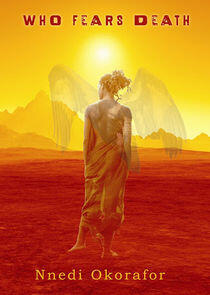
Who Fears Death

Big Brother
Housemates live under 24-hour surveillance as they attempt to avoid eviction from the Big Brother house with the most unpopular housemates facing a public vote. The iconic house has had a fresh lick of paint and is ready to welcome a brand-new cast of housemates from all walks of life as they take up residence in the Big Brother house, so join hosts AJ Odudu and Will Best for all of the action from their first week there!

Doc
Doc centers on the hard-charging, brilliant Dr. Amy Larsen, Chief of Internal and Family Medicine at Westside Hospital in Minneapolis. After a brain injury erases the last eight years of her life, Amy must navigate an unfamiliar world where she has no recollection of patients she's treated, colleagues she's crossed, the soulmate she divorced, the man she now loves and the tragedy that caused her to push everyone away. She can rely only on her estranged 17-year-old daughter, whom she remembers as a 9-year-old, and a handful of devoted friends, as she struggles to continue practicing medicine, despite having lost nearly a decade of knowledge and experience.


Dark Matter
Hailed as one of the best sci-fi novels of the decade, Dark Matter is a story about the road not taken. The series follows Jason Dessen, a physicist, professor, and family man who – one night while walking home on the streets of Chicago – is abducted into an alternate version of his life. Wonder quickly turns to nightmare when he tries to return to his reality amid the multiverse of lives he could have lived. In this labyrinth of mind-bending realities, he embarks on a harrowing journey to get back to his true family and save them from the most terrifying, unbeatable foe imaginable: himself.