Civilisation - Season 1
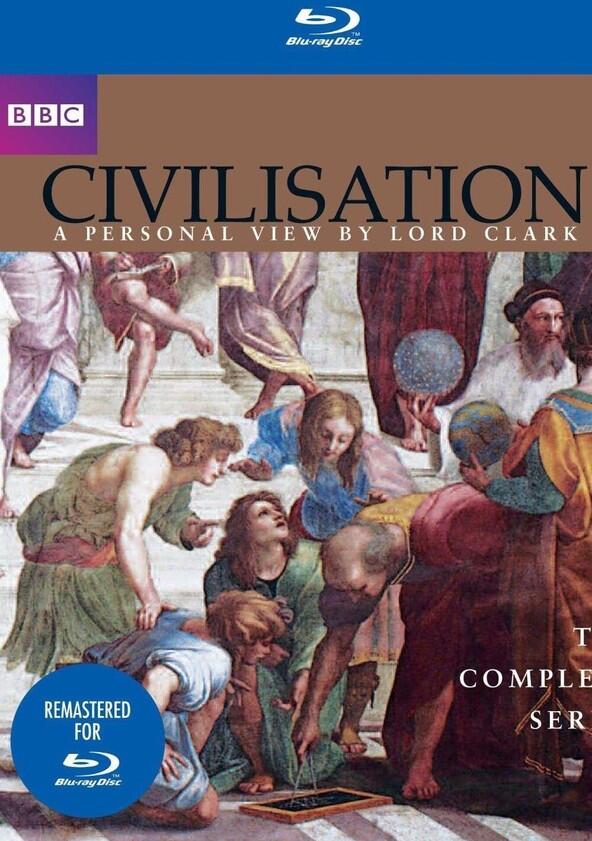
Season 1

Episodes
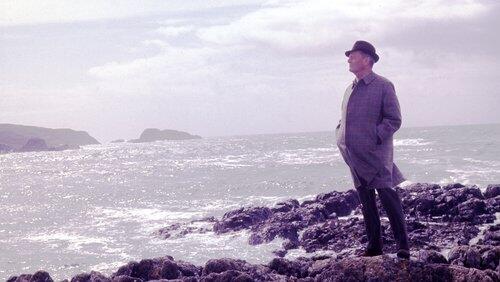
The Skin of Our Teeth
Sir Kenneth Clark begins his landmark 1969 series on the history of civilisation with the re-establishment of civilisation in Western Europe, in the tenth century after the fall of Rome to barbarism. He travels from Byzantine Ravenna to Celtic Hebrides examining aqueducts, cathedrals, the lives of the Vikings and of the Holy Roman Emperor Charlamagne.
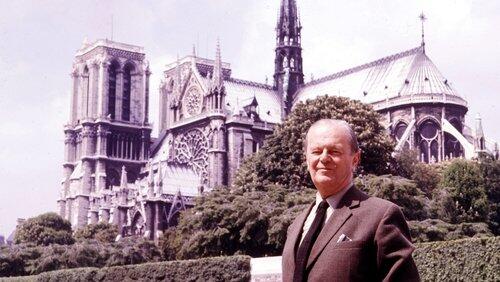
The Great Thaw
Kenneth Clark presents the landmark arts documentary series first shown in 1969. This programme traces the reawakening of European civilisation in the twelfth century.
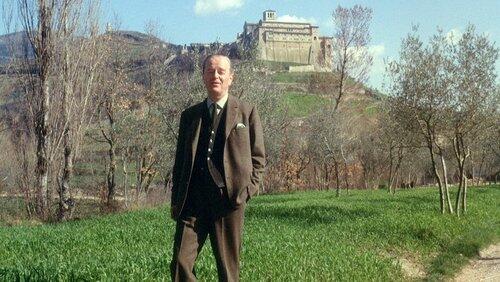
Romance and Reality
Kenneth Clark's personal view of the restoration of Western Civilisation from the fall of Rome to the twentieth century. In this episode he journeys from the Loire through Tuscany and Umbria, to the cathedral at Pisa, as he explores the aspirations of the later Middle Ages in France and Italy and looks at the work of Giotto and Dante amonst other artists.
Man - The Measure of All Things
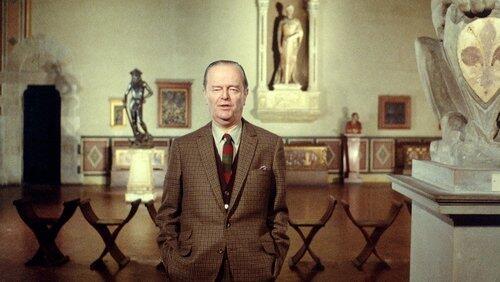
Kenneth Clark continues his personal reflections on civilisation with a look at Renaissance man.
Clark visits Florence, where the resurrection of a classical past first gave a new impetus to European thought, and then journeys to the palaces of Urbino and Mantua, where the Renaissance manifested itself in glorious architecture.
He talks of Humanism and of perspective, of Donatello, Botticelli and Van Eyck.
The Hero as Artist
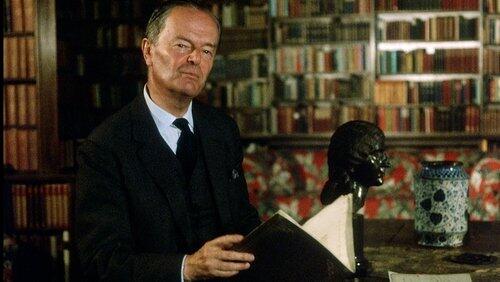
Kenneth Clark continues his personal reflections on civilisation with a look at Papal Rome in the early 16th century.
Three great artists, Michelangelo, Raphael and Leonardo da Vinci are the chief protagonists in this programme. Clark's 'Individuals of Genius' theme takes him through the gardens and courtyards of the Vatican to the rooms decorated for the Pope by Raphael, and to the Sistine Chapel.
Protest and Communication
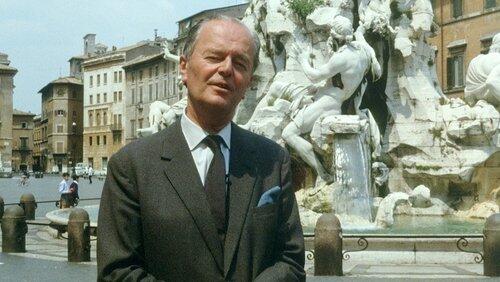
Kenneth Clark investigates the Protestant Reformation in northern Europe, and looks at Holbein, Thomas Moore, Erasmus and the printing press and Durer.
Grandeur and Obedience
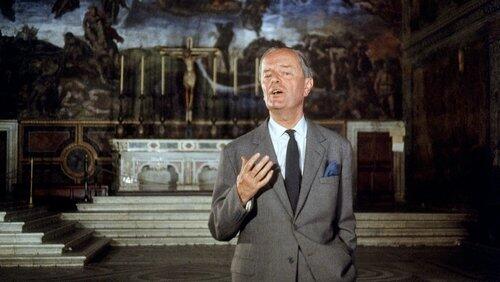
Sir Kenneth Clark presents one of the classic episodes of his history of the civilised culture of the western world. In this programme, he examines the Catholic world in the 16th century, especially the city ofRome which blossomed architecturally and sculpturally during the Counter Reformation under the hands of the baroque artist Bernini. This programme features the celebrated and stunning tracking shot through Raphael's Loggia.
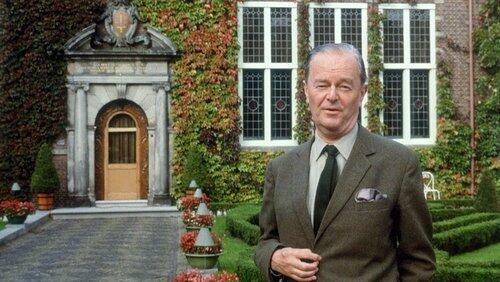
The Light of Experience
Sir Kenneth Clark's story takes him from the Holland of Rembrandt and Vermeer to the London of Wren, Purcell and the Royal Society.
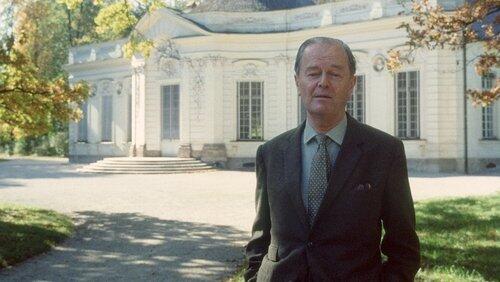
The Pursuit of Happiness
Kenneth Clark reflects on the nature of the 18th-century music, and on the way that some of its qualities are reflected in the best of rococo architecture.
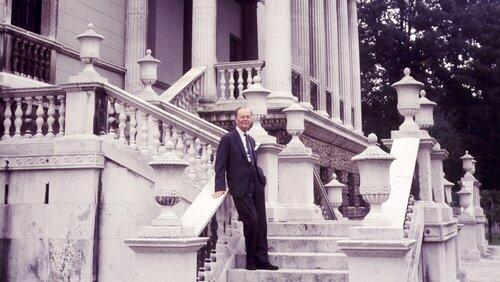
The Smile of Reason
Kenneth Clark looks at the beginnings of revolutionary politics in the 18th century.
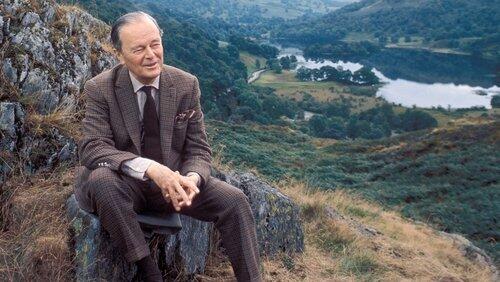
The Worship of Nature
Sir Kenneth Clark examines a new force - the belief in the divinity of nature.
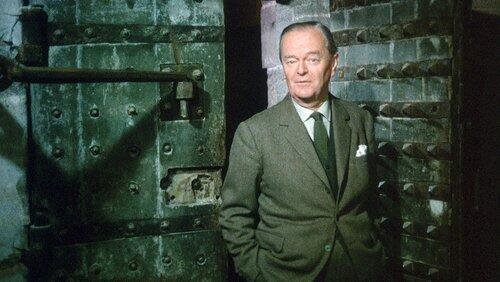
The Fallacies of Hope
'Bliss was it in that dawn to be alive' wrote Wordsworth of the early days of the French Revolution, but the storming of the Bastille led, not to freedom, but to the Terror, the dictatorship of Napolean and the dreary bureaucracies of the 19th century.
Sir Kenneth Clark traces the progressive disillusionment of the artists of the Romantic movement through the music of Beethoven, the poetry of Byron and the sculpture of Rodin.
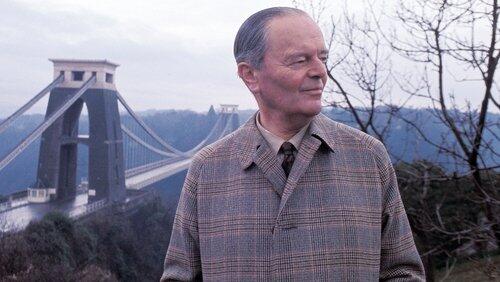
Heroic Materialism
To conclude this landmark series, Kenneth Clark considers the ways in which the heroic materialism of the past hundred years has been linked to an equally remarkable increase in humanitarianism. The achievementof engineers and scientists such as Brunel and Rutherford has been matched by the work of great reformers like Wilberforce and Shaftesbury. As Clark notes, the concept of kindness only became important in the last century.
Recently Updated Shows
True Detective
Touch darkness and darkness touches you back. True Detective centers on troubled cops and the investigations that drive them to the edge. Each season features a new cast and a new case.
True Detective is an American anthology crime drama television series created and written by Nic Pizzolatto.
Shōgun
Shōgun is set in Japan in the year 1600 at the dawn of a century-defining civil war. Lord Yoshii Toranaga is fighting for his life as his enemies on the Council of Regents unite against him, when a mysterious European ship is found marooned in a nearby fishing village.

The Morning Show
Nominated for three Golden Globes®, this unapologetically candid drama looks at the modern workplace through the lens of the people who help America wake up. Pull back the curtain on early morning TV.

The Grand Tour
Jeremy Clarkson, Richard Hammond and James May are back with The Grand Tour. A show about adventure, excitement and friendship... as long as you accept that the people you call friends are also the ones you find extremely annoying. Sometimes it's even a show about cars. Follow them on their global adventure.
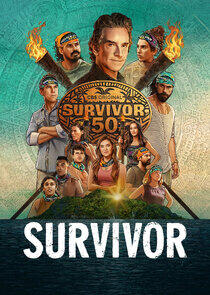
Survivor
Eighteen to twenty castaways will compete against each other on Survivor. All castaways will compete to outwit, outplay, outlast and ultimately be crowned Sole Survivor.