First Civilizations - Season 1
Season 1
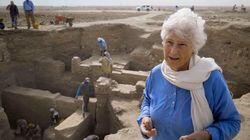
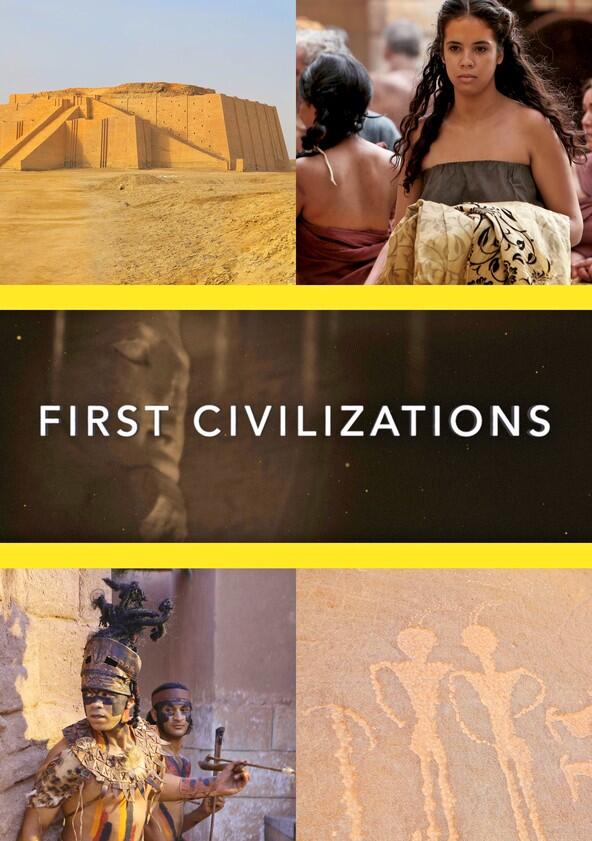
Having lived as mobile foragers for 99 percent of our time on Earth, why did humans set out on the road to civilization? How did they create villages, towns, cities and states, and establish the blueprint for the modern world? This series identifies four cornerstones of civilization – war, religion, cities and trade – and explores each in the context of a different location. Criss-crossing the globe, camera crews travel to Mexico, Guatemala, Iraq, Turkey, Egypt, India, Pakistan, Oman, Morocco, France, Germany, Japan, the U.K. and the U.S. They record the latest archeological discoveries, test new theories and uncover original information.
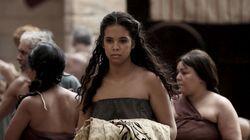
Drama reconstructions and computer graphics are used to visualize the lost world of the first civilizations. In each episode, the ancient story is also complemented by a modern-day analog, with an expert interviewee connecting the dots between past and present. The idea is to show how our ancestors were motivated by the same impulses that persist today: the inevitability of war, a need for religion, the lure of the city, a love of trade. Their story is our story.
Episodes
War
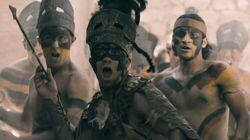
Examine the process of "destructive creation" — the idea that fear, rivalry and conflict strengthen community bonds while stimulating an arms race of technological progress. The result is civilization. Ancient Mesoamerica exemplifies this development.

Religion
The secret to the stability and cohesion of Ancient Egypt was religion. When people share a core set of beliefs, they are more likely to identify as one. That was true for the first civilizations, it's just as true today.

Cities
View the birthplace of civilization: the Middle East, site of the world's first villages, towns and cities, from the hills of Turkey to the plains of Iraq. They were crucibles of invention and innovation — turbo-charging the pace of progress.

Trade
Examine an ancient civilization unlike any other, that of the Indus Valley. Rather than imposing order through war or religion, it relied on the free flow of trade. The exchange of goods promoted wealth, co-operation and trust.
Recently Updated Shows

Anne Rice's The Vampire Lestat
The Vampire Lestat goes on tour while being haunted by "muses" from his past. As the band's popularity grows, so does Lestat's influence over vampires & humans alike, leaving others to contend with Lestat's power in the face of the Great Conversion.

Brilliant Minds
Inspired by the extraordinary life and work of world-famous author and physician Oliver Sacks, Brilliant Minds follows a revolutionary, larger-than-life neurologist and his team of interns as they explore the last great frontier - the human mind - while grappling with their own relationships and mental health.

The Food That Built America
For generations of Americans, food titans like Henry Heinz, Milton Hershey, John and Will Kellogg, C.W. Post and the McDonald brothers have literally been household names, but you don't know their stories. Before they were brand names, they were brilliant, sometimes ruthless, visionaries who revolutionized food and changed the landscape of America forever. This miniseries event will tell the fascinating stories of the people behind the food that built America – those who used brains, muscle, blood, sweat and tears to get to America's heart through its stomach, and along the way built cities, invented new technologies and helped win wars.