Glad You Asked - Season 2
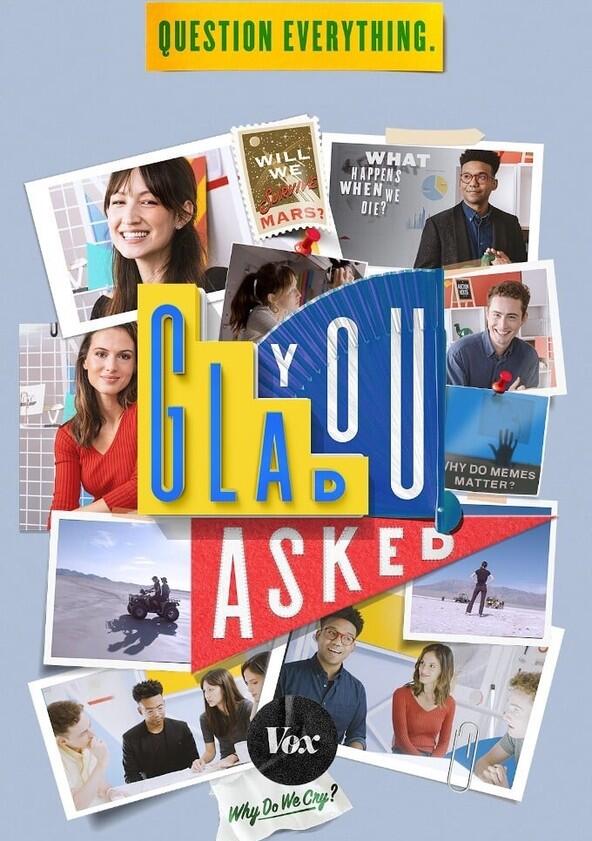
Season 2
Episodes

How racist am I?
This is a difficult question to ask yourself. But recent events and an increasing amount of research has shown just how much racial bias impacts our world. Before we can start the work of dismantling systemic racism, we have to first understand our own biases. Glad You Asked host Cleo Abram explores if we can measure those biases, how we shine a light on them, and what to do about them.

Are We Automating Racism?
Many of us assume that tech is neutral, and we have turned to tech as a way to root out racism, sexism, or other "isms" plaguing human decision-making. But as data-driven systems become a bigger and bigger part of our lives, we also notice more and more when they fail, and, more importantly, that they don't fail on everyone equally. Glad You Asked host Joss Fong wants to know: Why do we think tech is neutral? How do algorithms become biased? And how can we fix these algorithms before they cause harm?

Does My Neighbourhood Determine My Future?
Housing policy in the United States has a long history of deepening segregation. Redlining, exclusionary lending, and targeted zoning laws have all played a role in isolating minority populations while simultaneously privileging white residents. Glad You Asked host Lee Adams wants to know how this happened, and what effect residential segregation has on your future.

Is Meritocracy A Myth?
Education in the United States is supposed to be meritocratic, meaning a student's achievement is measured solely by their efforts. But how do class and privilege affect opportunity, and does everyone really get the same shot? Glad You Asked host Fabiola Cineas explores how the myth of meritocracy perpetuates racism while keeping the American dream achievable only for a privileged few.

Is Racism Making People Sick?
After the events of 2020, we are no strangers to stress and anxiety. But for Black and brown Americans, that stress was nothing new. Racial health gaps have always existed, and socioeconomics and racism within the medical system have long kept equal healthcare out of reach. But what kind of toll does the experience of racism itself have on your body? Glad You Asked host Christophe Haubursin wants to know.

Do I Want Kids?

Why can't we sleep?

Is city noise making us sick?

Is therapy for everyone?

How should doctors consider race?
Recently Updated Shows

Grey's Anatomy
The doctors of Grey Sloan Memorial Hospital deal with life-or-death consequences on a daily basis -- it's in one another that they find comfort, friendship and, at times, more than friendship. Together they're discovering that neither medicine nor relationships can be defined in black and white. Real life only comes in shades of grey.

Law & Order: Special Victims Unit
In the criminal justice system, sexually-based offenses are considered especially heinous. In New York City, the dedicated detectives who investigate these vicious felonies are members of an elite squad known as the Special Victims Unit. These are their stories.

FBI
FBI is a fast-paced drama about the inner workings of the New York Field Office of the Federal Bureau of Investigation. These first-class agents, including Special Agent Maggie Bell and her partner, Special Agent Omar Adom 'OA' Zidan, bring all their talents, intellect and technical expertise on major cases in order to keep New York and the country safe.

WWE Premium Live Events
Beginning with the 2014 Extreme Rules Pay-Per-View on 4 May 2014 the WWE began airing all of their Wrestling Pay-Per-Views exclusively on the WWE Network. Subscribers who pay the $9.95 monthly fee will be able to view any Pay-Per-Views past, present and in the future exclusively on the WWE Network at no additional charge as long as their monthly fees are paid up-to-date.