Pizza

Gregg Wallace is in Italy, at an enormous pizza factory where they produce 400,000 frozen pizzas each day. He mixes up a 450 kilo batch of dough for the bases; enough for 180 000 pizzas. He watches as each one is stretched to exactly 26 centimetres in diameter, then pricked with 522 holes, each 4mm deep, before they're topped with tomato and disappear into the wood fired oven. It's 25 metres long and the floor is made of rotating panels of volcanic rock heated to 450 degrees Celsius. Gregg's pizzas emerge fully cooked after just 80 seconds. They're topped with cheese, pepperoni, chillies and onions, then frozen and dispatched on their 1000 mile journey to the freezer compartments of British supermarkets.
Meanwhile Cherry Healey is asking if mozzarella – the traditional choice for pizzas - is also the scientific best bet. She finds that not all cheeses are equal, and that to melt well they must sit in a pH zone between 5 and 5.9. This explains why blue cheese and feta don't work on pizza but mozzarella and gruyere do. In Austria, she transforms 400 kilos of pork into pepperoni. She learns that this preserved sausage is fermented and salted to give it a long shelf life. A production process that takes more than 2 weeks.
Historian Ruth Goodman is investigating the technology that allows frozen foods like pizza to be transported across the globe. 150 years ago we were all 'locavores', eating locally sourced food. But in the 1880s the game-changing invention of freezer ships meant that lamb and beef could be shipped from New Zealand and Australia. Combined with the 1938 arrival of the freezer truck, this created the worldwide cold chain that we rely on today. She also meets the man who popularised pizza in the UK back in 1965 when he opened his first restaurant in London's Soho.
Trailer
Recently Updated Shows

Snapped: Killer Couples
Snapped: Killer Couples features couples whose passion drives them to commit terrible criminal acts. Through recreations and gripping firsthand accounts, each episode takes a deep dive into the stories behind the couples' romance, how their relationship evolved once love turned into manipulation and what ultimately drove them to commit the crime.
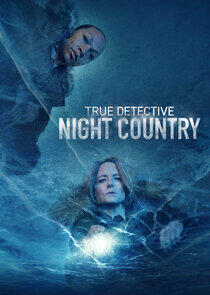
True Detective
Touch darkness and darkness touches you back. True Detective centers on troubled cops and the investigations that drive them to the edge. Each season features a new cast and a new case.
True Detective is an American anthology crime drama television series created and written by Nic Pizzolatto.
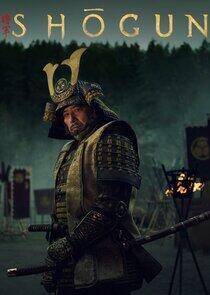
Shōgun
Shōgun is set in Japan in the year 1600 at the dawn of a century-defining civil war. Lord Yoshii Toranaga is fighting for his life as his enemies on the Council of Regents unite against him, when a mysterious European ship is found marooned in a nearby fishing village.

The Grand Tour
Jeremy Clarkson, Richard Hammond and James May are back with The Grand Tour. A show about adventure, excitement and friendship... as long as you accept that the people you call friends are also the ones you find extremely annoying. Sometimes it's even a show about cars. Follow them on their global adventure.

Sugar
John Sugar is an American private investigator on the heels of the mysterious disappearance of Olivia Siegel, the beloved granddaughter of legendary Hollywood producer Jonathan Siegel. As Sugar tries to determine what happened to Olivia, he will also unearth Siegel family secrets; some very recent, others long-buried.