Cereal Bars
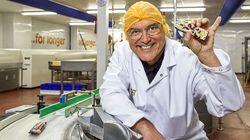
Gregg Wallace is in Essex at an enormous cereal bar factory, which produces 400,000 fruit- and nut-packed treats a day. Gregg follows production from the arrival of two tonnes of macadamia nuts all the way through to dispatch. Along the way, he gets hands on with all the ingredients, from nuts to cranberries and sultanas to puffed rice. He learns that it takes a carefully balanced blend of honey and glucose to bind the ingredients together. Too much honey and the bar would be too chewy. Too much glucose and it would set rock solid. A mix of both produces the ideal texture.
Meanwhile, Cherry Healey is helping out with the macadamia harvest in South Africa. The country is the world's largest producer of these nuts, responsible for a quarter of the global harvest. She learns that the trees they grow on can take seven years before they produce their first crop, partly explaining why these nuts are so costly. She also discovers that their super tough shells require pressure equivalent to being sat on by a baby elephant to break them open. In the UK, Cherry visits the Eden Project in Cornwall and learns that nuts aren't all they seem - only a small percentage of what we commonly refer to as nuts are actually botanical nuts. Peanuts are legumes and cashews are drupes. However, everything we refer to as a nut is the reproductive part of the plant and packed full of nutritional goodness.
Historian Ruth Goodman climbs a mountain in the Lake District to meet an explorer who tells her all about one of Britain's original snack bars, Kendal Mint Cake. Its popularity grew after famous explorers Ernest Shackleton and Sir Edmund Hillary took it on their expeditions to Antarctica and Everest respectively. Ruth also visits the home of Britain's very first cereal bar to learn how it went from simple hippy food to shifting three million bars a week.
Trailer
Recently Updated Shows

The Great British Bake Off
Over 10 weeks, 12 of the best amateur bakers in Britain will whisk, knead, ice, beat and bake their way through classic British cakes, perfect patisserie, Italian delights, sticky caramel constructions and elaborate layered puddings. All 12 will be hoping to impress with their skill, creativity, knowledge and passion to clinch the Bake Off Crown. Each of the 30 new challenges have been carefully designed by judges Paul Hollywood and Prue Leith to reveal just who is a star baker.

Chicago Fire
No job is more stressful, dangerous or exhilarating than those of the Firefighters, Rescue Squad and Paramedics of Chicago Firehouse 51. These are the courageous men and women who forge headfirst into danger when everyone else is running the other way and whose actions make the difference between life and death. These are their stories.

Silo
Silo depicts a ruined and toxic future, when thousands of people live in a giant silo deep underground. After its sheriff breaks a cardinal rule and residents die mysteriously, engineer Juliette starts to uncover shocking secrets and the truth about the silo.

Law & Order: Special Victims Unit
In the criminal justice system, sexually-based offenses are considered especially heinous. In New York City, the dedicated detectives who investigate these vicious felonies are members of an elite squad known as the Special Victims Unit. These are their stories.

FBI
FBI is a fast-paced drama about the inner workings of the New York Field Office of the Federal Bureau of Investigation. These first-class agents, including Special Agent Maggie Bell and her partner, Special Agent Omar Adom 'OA' Zidan, bring all their talents, intellect and technical expertise on major cases in order to keep New York and the country safe.