Magical Japanese - Season 3 / Year 2023

Season 3 / Year 2023

Episodes
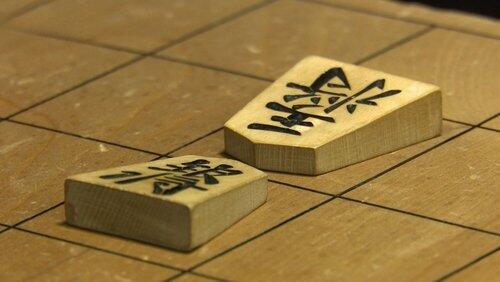
Shogi
The Japanese language is rich in words and expressions influenced by nature, history and culture. This episode looks at words related to shogi, also known as Japanese chess. Shogi is believed to have originated in ancient India, and shares roots with Western chess. The game has been enjoyed in Japan for more than 1,000 years. Many of the expressions born from shogi are used widely today in business and daily conversation. From his home in Kyoto Prefecture, poet and literary translator Peter MacMillan guides us through these words and the culture behind them.
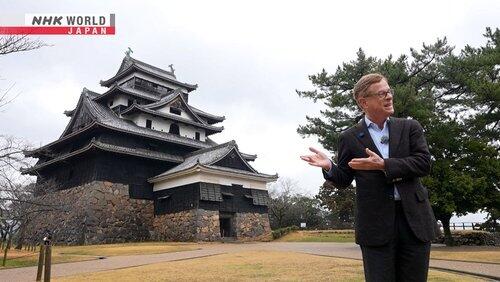
Ghost
The Japanese language is rich in words and expressions influenced by nature, history and culture. In this episode, poet and literary translator Peter MacMillan travels to Matsue City, Shimane Prefecture, where the writer and journalist Lafcadio Hearn (1850-1904) lived. Hearn is known for his compilation of Japanese ghost stories, Kwaidan, and had a deep interest in Japanese spirituality and folk religion. We visit the places that inspired Hearn in Matsue and look at some expressions related to ghosts along the way.

Insect
The Japanese language is rich in words and expressions influenced by nature, history and culture. In this episode, poet and literary translator Peter MacMillan travels to Matsue City, Shimane Prefecture, where the writer and journalist Lafcadio Hearn (1850-1904) lived. Hearn is known for Kwaidan, a collection of ghost stories, and other works that explore the essence of Japan. He also loved insects and resonated deeply with Japanese insect culture. From the Lafcadio Hearn Memorial Museum in Matsue, we introduce some expressions related to insects, or mushi.

Wagashi
The Japanese language is rich in words and expressions influenced by nature, history and culture. This episode introduces words related to wagashi, or Japanese sweets. Traditionally made to accompany the tea ceremony, they reflect the seasons and have led to many unique Japanese expressions. From his home in Kyoto Prefecture, poet and literary translator Peter MacMillan guides us through these words and the culture behind them.

Blue
The Japanese language is rich in words and expressions influenced by nature, history and culture. This episode introduces words related to the color blue. Its many shades were used skillfully by Japanese ukiyo-e artists who significantly influenced famous painters worldwide. The Japanese word for blue covers a wide range of colors and has produced an equal variety of expressions. From his home in Kyoto Prefecture, poet and literary translator Peter MacMillan guides us through these words and the culture behind them.
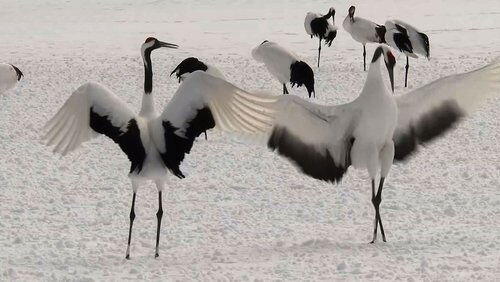
Bird
The Japanese language is rich in words and expressions influenced by nature, history and culture. This episode introduces words related to tori, or birds. For ages, the sight of birds soaring in the sky has thrilled people the world over. Guided by poet and literary translator Peter MacMillan, we explore unique Japanese words and expressions inspired by the appearances, habits and sounds of birds.

Foot and Leg
The Japanese language is rich in words and expressions influenced by nature, history and culture. This episode introduces words related to ashi, which means both foot and leg. They have many important pressure points and play a significant role in blood flow. They've even been called the "second heart." We follow poet, literary translator and long-time Japan resident Peter MacMillan as he takes a walk around his home in Kyoto Prefecture. He guides us through unique words and expressions along the way.

Sumo
The Japanese language is rich in words and expressions influenced by nature, history and culture. This episode introduces words related to sumo. Throughout its long history, sumo has been performed as a ritual to pray for a good harvest and safety, and was practiced by samurai warriors as part of their training. Children also enjoyed it as a game. Sumo is close to the hearts of Japanese people, and it has inspired many expressions that are used in daily life. Poet, literary translator, and long-time Japan resident Peter MacMillan guides us through these words and the culture behind them.
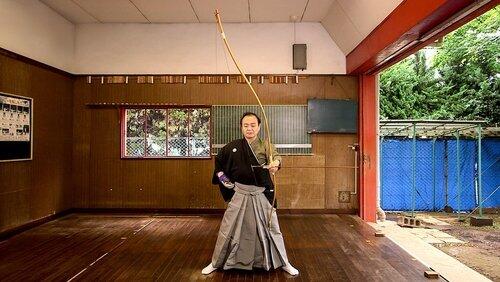
Bow and Arrow
The Japanese language is rich in words and expressions influenced by nature, history and culture. This episode introduces words related to yumiya, meaning bow and arrow. Together, they've been used for hunting, fighting and rituals throughout their long history. They're also considered to have deep connections to the Japanese spirit. From his home in Kyoto Prefecture, poet and literary translator Peter MacMillan guides us through unique words inspired by this important tool.
Mud
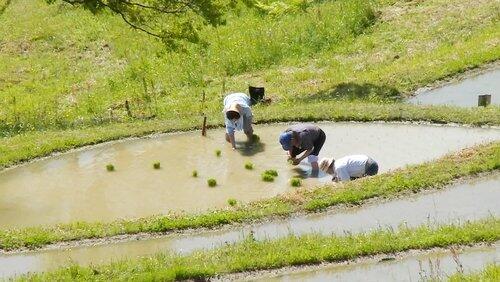
The Japanese language is rich in words and expressions influenced by nature, history and culture. This episode focuses on words related to doro, or mud. Since ancient times, Japanese people have gotten muddy in the rice paddies, cultivating their main staple. Perhaps because of this, there are a surprising number of expressions related to mud in Japanese. And reflecting such a place of hard work, many of them are used in business situations. From his home in Kyoto Prefecture, poet and literary translator Peter MacMillan guides us through unique words born from "mud."

Shadow / Shade
The Japanese language is rich in words and expressions influenced by nature, history and culture. This episode focuses on words related to kage, meaning both shadow and shade. From rooting for someone working toward their dreams, to expressing appreciation for those around you, words involving kage are surprisingly common in daily conversation. From his home in Kyoto Prefecture, poet and literary translator Peter MacMillan guides us through such unique words and the culture behind them.
Hot Water
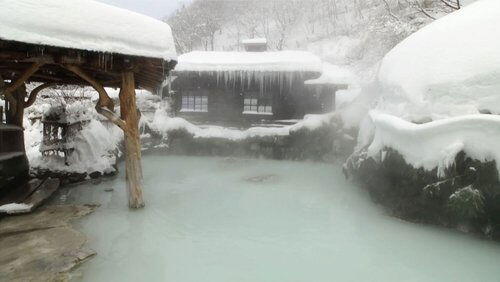
The Japanese language is rich in words and expressions influenced by nature, history and culture. This episode focuses on words related to yu, meaning both hot water and a bath. From a nice cup of tea to a soothing bath, hot water is indispensable in daily life. What's more, Japan is famous for its steaming hot springs, with more than 17,000 of them around the country. From his home in Kyoto Prefecture, poet and literary translator Peter MacMillan guides us through words that reveal the warmth Japanese people feel for hot baths and hot water.

Sleep
The Japanese language is rich in words and expressions influenced by nature, history and culture. This episode features words related to neru, meaning "to sleep." Some data show that Japanese people average around only 7 hours of sleep a day, suggesting that many need more slumber. In fact, the Japanese language has a number of unique words related to sleep that describe various aspects of daily life. From his home in Kyoto Prefecture, poet and literary translator Peter MacMillan guides us through these expressions and the culture behind them.

Eight
The Japanese language is rich in words and expressions influenced by nature, history and culture. This episode focuses on words related to hachi, or the number eight. Numbers have special meanings in many places around the world. In Japan, eight is a particularly important number with a variety of meanings and associations. From his home in Kyoto Prefecture, poet and literary translator Peter MacMillan guides us through unique everyday expressions related to the number eight.
Root
The Japanese language is rich in words and expressions influenced by nature, history and culture. This episode focuses on words related to ne, or "root." Japan's agricultural history has inspired many unique expressions associated with roots. Today, many of them have also taken root in the business world. From his home in Kyoto Prefecture, poet and literary translator Peter MacMillan guides us through these words and the culture behind them.
Hair
The Japanese language is rich in words and expressions influenced by nature, history and culture. This episode focuses on unique words related to kami, or "hair."
Go
The Japanese language is rich in words and expressions influenced by nature, history and culture. This episode focuses on the many words born from the ancient board game, Go, that are now a part of everyday speech.
Recently Updated Shows

Last Week Tonight with John Oliver
On Last Week Tonight with John Oliver, John Oliver presents a satirical look at the week in news, politics and current events.

Hudson & Rex
Detective Charlie Hudson, a cunning Major Crimes detective for the St. John's Police Department, teams up with an unusual partner – Rex, a former-K9 German Shepherd, whose heightened senses keep Charlie hot on the trail of his suspects. Together, they investigate puzzling crimes, from a kidnapping which reveals a much larger conspiracy at play to an art theft murder which runs deep into the world of high society. With Charlie's deft detective work and Rex's keen canine senses, this crime-fighting pair is unstoppable.

FROM
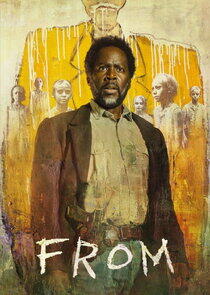
FROM unravels the mystery of a nightmarish town that traps all those who enter. As the unwilling residents fight to keep a sense of normalcy and search for a way out, they must also survive the threats of the surrounding forest – including the terrifying creatures that come out when the sun goes down. In season two, hidden truths about the nature and terrifying origins of the town begin to emerge, even as life for its residents is plunged into chaos by the arrival of mysterious newcomers.

Dark Matter
Hailed as one of the best sci-fi novels of the decade, Dark Matter is a story about the road not taken. The series follows Jason Dessen, a physicist, professor, and family man who – one night while walking home on the streets of Chicago – is abducted into an alternate version of his life. Wonder quickly turns to nightmare when he tries to return to his reality amid the multiverse of lives he could have lived. In this labyrinth of mind-bending realities, he embarks on a harrowing journey to get back to his true family and save them from the most terrifying, unbeatable foe imaginable: himself.