Second Opinion with Joan Lunden - Season 5

Season 5

Episodes

Coronary Microvascular Disease
Research supports that not only do men and women present with heart disease differently, they can also develop it differently. Coronary Microvascular Disease is predominantly a women's heart disease - one that is often overlooked and under-diagnosed. Is it possible to have heart disease and yet appear to have healthy coronary arteries? The surprising answer is a resounding "yes."
Hospital Acquired Infection
Hospital acquired infections, also known as nosocomial infections, are a growing problem in the U.S. There are, however, steps that healthcare systems can do to protect patients and actions that you can take to protect yourself.
Vaccines
While there is no question that vaccines work and have changed our world by eradicating deadly diseases, some people have concerns about the risks of immunizations. The vaccine controversy remains-where do the rights of the public and the rights of the individual collide?
Hearing Loss
Isolation and depression can often be a result of hearing loss, but there are good treatments, including hearing aids and surgery. Learn about the actions you can take right now to protect yourself from hearing loss.
Alzheimer's Disease — A Caregiver's Journey
A diagnosis of Alzheimer's Disease can be devastating for a person and their loved ones. Caregiving issues surrounding a person with a cognitive disease are unique, and planning for decline in health is critical for the caregiver.
Kidney Disease — Caring for Someone with a Chronic Disease
While chronic kidney disease continues to rise in the U.S., Second Opinion explores the many issues faced when caring for a loved one with a chronic disease.
Caregiver Burnout
Thirty one percent of the adult population age 20 to 75 provide informal care to a family member or friend who is ill or disabled. Burnout can result from the physical and emotional challenges associated with being a caregiver. While family caregivers give of themselves out of love, there are real physical, emotional and financial costs associated with caregiving. As we live longer and caregiving becomes a bigger issue in the U.S., learn what can be done to help our caregiving community.
Non-Hodgkin Lymphoma
While other cancers continue to decline, lymphoma is on the rise. The good news is that with early diagnosis, Non-Hodgkin Lymphoma is often a very treatable disease with a good prognosis.
Depression in Later Life
Depression in the geriatric population presents different challenges than in younger populations. Diagnosis and treatment can be difficult, but the management of depression in later life is critical to good physical health.
Why Men Die Younger
Biological, social and behavioral issues are just a few factors that play a role in why women live longer. Experts take an in-depth look into why men die at a younger age than women.
Hormone Replacement Therapy
Since the Women's Health Initiative (WHI) was stopped early due to risk of heart attack and stroke, the use of hormone replacement therapy (HRT) has been debated in research, in the media and among women across the country. Second Opinion explores the risks and benefits of hormone replacement therapy.
Hypothyroidism
When the thyroid gland loses its ability to make thyroid hormone, a person's whole life can be turned upside down. Affecting the physical and mental well-being of a person, the proper treatment of hypothyroidism can make a remarkable difference to overall health.
Mind Body Connection
Can positive thinking, prayer or yoga help heal your body as well as your mind? It depends who you ask. Research into the connection between the mind and the body is both fascinating and controversial.
Recently Updated Shows

Doc
Doc centers on the hard-charging, brilliant Dr. Amy Larsen, Chief of Internal and Family Medicine at Westside Hospital in Minneapolis. After a brain injury erases the last eight years of her life, Amy must navigate an unfamiliar world where she has no recollection of patients she's treated, colleagues she's crossed, the soulmate she divorced, the man she now loves and the tragedy that caused her to push everyone away. She can rely only on her estranged 17-year-old daughter, whom she remembers as a 9-year-old, and a handful of devoted friends, as she struggles to continue practicing medicine, despite having lost nearly a decade of knowledge and experience.

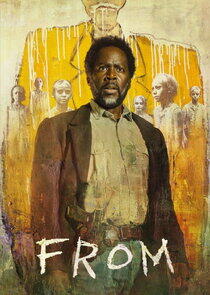
FROM
FROM unravels the mystery of a nightmarish town that traps all those who enter. As the unwilling residents fight to keep a sense of normalcy and search for a way out, they must also survive the threats of the surrounding forest – including the terrifying creatures that come out when the sun goes down. In season two, hidden truths about the nature and terrifying origins of the town begin to emerge, even as life for its residents is plunged into chaos by the arrival of mysterious newcomers.

Brilliant Minds
Inspired by the extraordinary life and work of world-famous author and physician Oliver Sacks, Brilliant Minds follows a revolutionary, larger-than-life neurologist and his team of interns as they explore the last great frontier - the human mind - while grappling with their own relationships and mental health.