Pakistan's post-Peshawar path
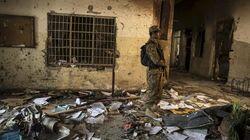
December 16 marks the one year anniversary of the Peshawar school massacre, the deadliest attack on a civilian or military target in Pakistan's history. The attack killed more than 150 people, most of them children from army families.
The country's leaders promised to crackdown in the wake of the attack, and the past year has seen an intense offensive on groups such as the Pakistani Taliban (also known as Tehreek-e-Taliban), which was responsible for the massacre. The offensive, known as Zarb-e-Azb, has received significant public support and been credited with a major drop in civilian deaths from "terrorist violence", the fewest since 2006.
But some argue problems have just been pushed across the border into Afghanistan, and that conditions for an uptick in violence still exists. When it comes to the state's methods, civil rights groups have criticised the resumption of capital punishment after a six year moratorium, as well as the Supreme Court's decision to allow terror suspects to be tried in military courts. Due to the country's history of military dictatorships – Pakistan's first civilian transfer of power took place in 2013 – many are concerned with the army's increased influence. They worry the use of the courts may soon extend to political opponents of the army.
So, one year on from witnessing the deadliest attack on their soil, how do Pakistanis feel about their safety and their future?
Trailer
Recently Updated Shows
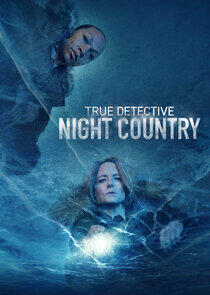
True Detective
Touch darkness and darkness touches you back. True Detective centers on troubled cops and the investigations that drive them to the edge. Each season features a new cast and a new case.
True Detective is an American anthology crime drama television series created and written by Nic Pizzolatto.
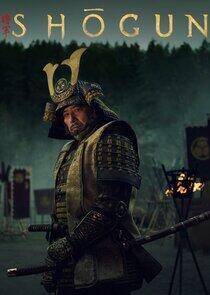
Shōgun
Shōgun is set in Japan in the year 1600 at the dawn of a century-defining civil war. Lord Yoshii Toranaga is fighting for his life as his enemies on the Council of Regents unite against him, when a mysterious European ship is found marooned in a nearby fishing village.

The Grand Tour
Jeremy Clarkson, Richard Hammond and James May are back with The Grand Tour. A show about adventure, excitement and friendship... as long as you accept that the people you call friends are also the ones you find extremely annoying. Sometimes it's even a show about cars. Follow them on their global adventure.
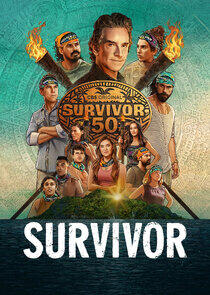
Survivor
Eighteen to twenty castaways will compete against each other on Survivor. All castaways will compete to outwit, outplay, outlast and ultimately be crowned Sole Survivor.

Sugar
John Sugar is an American private investigator on the heels of the mysterious disappearance of Olivia Siegel, the beloved granddaughter of legendary Hollywood producer Jonathan Siegel. As Sugar tries to determine what happened to Olivia, he will also unearth Siegel family secrets; some very recent, others long-buried.