Trails to Oishii Tokyo - Season 3 / Year 2021

Season 3 / Year 2021

Episodes
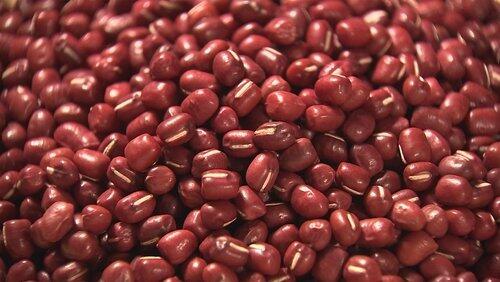
AZUKI BEAN
Azuki beans are often sweetened, simmered and used in Japanese sweets. Their red color is said to ward off evil, and they're key at celebrations too. We visit an area in Hyogo Prefecture known for growing high-quality Azuki, and learn how artisans in Kyoto Prefecture put their skills to work making beautiful sweets that incorporate the beans. Learn all about Azuki beans, grown, eaten and beloved for over 5,000 years in Japan. (Reporter: Saskia Thoelen)

FUGU
Our focus today is fugu, or pufferfish. As one of Japan's great winter delicacies, it is eaten as nearly-transparent slices of sashimi, or in umami-packed hot pots. Even in seafood-loving Japan, fugu is a special treat that is among the most expensive fish. It's also known for containing lethal amounts of poison, requiring chefs to obtain a special license in order to prepare it. Dive in to learn more about the various methods devised to provide quality flavor while also ensuring safety. (Reporter: Kyle Card)
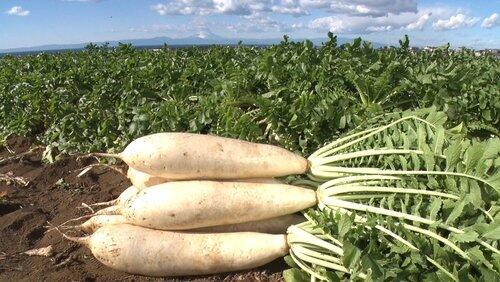
DAIKON
Daikon, Japanese radishes, are often over 30cm long, large and white, but there are also colorful types ranging from pink to green. They're an essential ingredient used in stews, salads, miso soup and more. We visit the Miura Peninsula, where half the daikon eaten in the Tokyo region are grown. There, we discover a "curtain" of thousands of daikon drying on a beach, soil supplemented with ground tuna, and the skills of those involved in daikon production. (Reporter: Jason Hancock)

WAGYU
In this episode on wagyu, discover meaty secrets with our American reporter, Kailene. Visit a long-established shop in Ginza where cuts for sukiyaki, shabu-shabu and BBQ are perfectly sliced down to the millimeter based on fat content. Witness the special conditions under which Japanese Black cattle are reared to produce Matsusaka beef, and learn how to make sukiyaki like a pro. (Reporter: Kailene Falls)
SOY SAUCE
Soy sauce is key when it comes to the flavor of Japanese food. This time, we ask a specialist about the differences in color and flavor between sauces. We also see a soy sauce maker which prepares its sauce in wooden barrels used for over 100 years. In order to pass this disappearing method on, the maker started to produce its own barrels. Finally, we learn about a new type of sauce popular in France and virtually unknown in Japan. Join reporter Kyle from Canada as he dives deep into soy sauce. (Reporter: Kyle Card)
ABURA-AGE
Abura-age, or deep-fried tofu, is an indispensable ingredient used in miso soup, udon and rice dishes. It's also been a valuable source of protein in the Buddhist vegetarian diet. Our reporter, Dasha, learns more from manufacturer in Fukui Prefecture, Japan's largest abura-age consumption area. Find out why foxes are associated with the food, and learn tasty recipes you can easily try at home. (Reporter: Dasha V)
SENBEI
Our focus today is Senbei, a traditional cracker typically made of rice or wheat. If you can press it and grill it, you can make Senbei! A variety of shapes and flavors can be found in all regions of Japan. Our reporter learns a classic grilling method from a Senbei master and all about the snack's evolution into a type used with soup and one that's practically a dessert! (Reporter: Kyle Card)
SALMON
Salmon reigns in fish-loving Japan. It begins its life in a river, leaves for the vast ocean, and returns to spawn and live out the rest of its days. Our own culinary expert Chiara hears from specialists about what else makes the fish so unique. What's the best way to pan-fry it? What makes the round-faced salmon from Hokkaido Prefecture so oily and tasty? Have you ever tried Citatap, the traditional Ainu dish using the entire head? Dive in to learn more about salmon's deep ties to Japanese culture. (Reporter: Chiara)
SILKIE CHICKEN
Check out the Silkie chicken, once considered part of the recipe for longevity. It lays only about one egg a week, which can sell for the high price of 6 dollars a pop. Our Swedish reporter Janni visits a poultry farm in Tokyo to see how they're raised, and their feed that contains 16 ingredients including herbs and seaweed. She also tries some fresh Silkie eggs for the first time. Feast your eyes on French and Chinese dishes using the chicken's nutritious black meat. (Reporter: Janni Olsson)
FURIKAKE
Today we focus on Furikake, rice's best friend. Invented by a pharmacist a century ago, it was originally intended as a health food. Furikake is a mixture of dried ingredients like chopped seaweed, eggs and fish flakes. With an ever-increasing variety of flavors, it's even great on salad and pasta. Follow our American reporter Jason to a Furikake manufacturer, and try making some at home! He also chats with a Japanese resident of Cambodia working to promote the topping there. (Reporter: Jason Hancock)
NEGI
Don't forget negi when chowing down on sukiyaki, udon or ramen. Spicy when raw and sweet when cooked, it's been an indispensable part of Japanese cuisine for centuries. This episode focuses on Senju negi, a variety passed down from the Edo period. In Tokyo, clay soil gives it a unique sweetness. Our reporter Kailene enjoys steamed negi on a farm, a hot pot eaten in winter featuring fatty tuna, and learns two sauce recipes for nearly any occasion. (Reporter: Kailene Falls)
SWEET POTATO
The sweet potato – a popular winter treat in Japan that varies in texture and sweetness. Individual characteristics determine how they're eaten, be it baked, dried or for dessert! Learn about a special type of soil using fossilized coral and a curing method for long-term preservation. Also, feast your eyes on everyday recipes and even French cuisine featuring the ingredient. (Reporter: Sarah Macdonald)
Recently Updated Shows

Wednesday
Smart, sarcastic and a little dead inside, Wednesday Addams investigates a murder spree while making new friends — and foes — at Nevermore Academy.

Lioness
Lioness, inspired by an actual U.S. Military program, follows the life of Joe while she attempts to balance her personal and professional life as the tip of the CIA's spear in the war on terror. The Lioness Program, overseen by Kaitlyn Meade and Donald Westfield, enlists an aggressive Marine Raider named Cruz to operate undercover alongside Joe among the power brokers of State terrorism in the CIA's efforts to thwart the next 9/11.

The Pitt
The Pitt is a realistic examination of the challenges facing healthcare workers in today's America as seen through the lens of the frontline heroes working in a modern-day hospital in Pittsburgh, Pennsylvania. Each episode follows an hour of Dr. Robby's 15-hour shift as the chief attendant in Pittsburgh Trauma Medical Hospital's emergency room.

Dark Matter
Hailed as one of the best sci-fi novels of the decade, Dark Matter is a story about the road not taken. The series follows Jason Dessen, a physicist, professor, and family man who – one night while walking home on the streets of Chicago – is abducted into an alternate version of his life. Wonder quickly turns to nightmare when he tries to return to his reality amid the multiverse of lives he could have lived. In this labyrinth of mind-bending realities, he embarks on a harrowing journey to get back to his true family and save them from the most terrifying, unbeatable foe imaginable: himself.
