Who Lives in Scotland? - Season 1

Season 1

Episodes

On the Move
In the first of a two-part documentary, Martin Geissler explores the profound impact on Scotland of the movement of people, both within the nation and of its new arrivals.
Shifts in population have profound effects on the country. Places like Inverclyde, where shipbuilding once sustained a thriving community, now face the challenge of attracting people to the area to reverse decades of population decline. Elsewhere, such as Edinburgh and the Lothians, huge housing developments are being built to meet the demands of a capital city whose population is on the up. But the fact that Scotland's population stands at a record 5.46 million isn't due to an increasing birth rate or falling death rate - it is being sustained by inward migration.
The vast majority of non Scots living in Scotland come from England and make up almost ten per cent of the population. A significant number are older and head to the highlands and islands, where they help sustain critical community services.
The next highest number are people born in Poland. However, with the ending of free movement following Brexit, Scotland may need to look further afield for the workforce needed to support health and social care services for an increasingly older population.
The high international ranking of some of Scotland's universities has attracted overseas students. One in four students at the University of Glasgow are Chinese, and parts of the city's west end have seen enormous changes in food and shops that cater specifically for that population. But while it helps the universities' coffers, if the students don't settle in Scotland after their studies, it won't help meet the challenges to come.
Recognising the vital importance of a large population of working age, the Scottish government has funded a glossy advertising campaign to attract overseas workers to the country. However, migration isn't a long term solution - housing and job opportunities are needed for new settlers, who will also require health care at some point. Analysts at the National Records of Scotland reveal that migration alone will not make up for the gap between births and deaths, which means Scotland's population could start to decline in the next decade.
Health, Wealth and Happiness
Martin Geissler explores the consequences of a falling birth rate and an increasing older population, and the impact on the health and prosperity of Scotland.
In the cycle of life, birth and years of good health are often followed by poor health and death. It's the job of the National Records of Scotland to track this information so that plans can be made to support the population's needs, both now and in the future. Scotland is facing several challenges in that regard, with fewer babies being born and people living longer. It is estimated that by 2045, Scotland will have twice as many pensioners as children.
When the working age population shrinks, there are fewer people paying tax and less money for services. Attracting workers from the rest of the UK and overseas becomes important in the short term, but making sure that as many people as possible can access employment possibilities is also vital. An ageing population can put pressure on services as their healthcare requirements become more complex. However, there is enormous disparity in different areas of Scotland when it comes to how many years people can expect to be in good health during their lifetime.
In areas where social deprivation is high, healthy life expectancy is low. Men in Inverclyde and North Ayrshire can expect their health to deteriorate in their early sixties, but in Orkney, where there are low levels of deprivation, they can expect to be well into their seventies.
All of this has an impact on what services are needed, and where, with more services requiring more taxation, which in turn requires more healthy people of working age.
Recently Updated Shows

Hard Knocks
HBO Sports, NFL Films and the Seattle Seahawks team up for an all-access look at what it takes to make it in the National Football League when the first sports-based reality series - and one of the fastest-turnaround programs on TV.

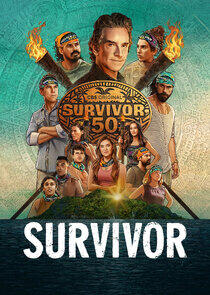
Survivor
Eighteen to twenty castaways will compete against each other on Survivor. All castaways will compete to outwit, outplay, outlast and ultimately be crowned Sole Survivor.
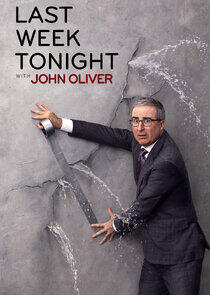
Last Week Tonight with John Oliver
On Last Week Tonight with John Oliver, John Oliver presents a satirical look at the week in news, politics and current events.

Lioness
Lioness, inspired by an actual U.S. Military program, follows the life of Joe while she attempts to balance her personal and professional life as the tip of the CIA's spear in the war on terror. The Lioness Program, overseen by Kaitlyn Meade and Donald Westfield, enlists an aggressive Marine Raider named Cruz to operate undercover alongside Joe among the power brokers of State terrorism in the CIA's efforts to thwart the next 9/11.