Wild China - Season 1
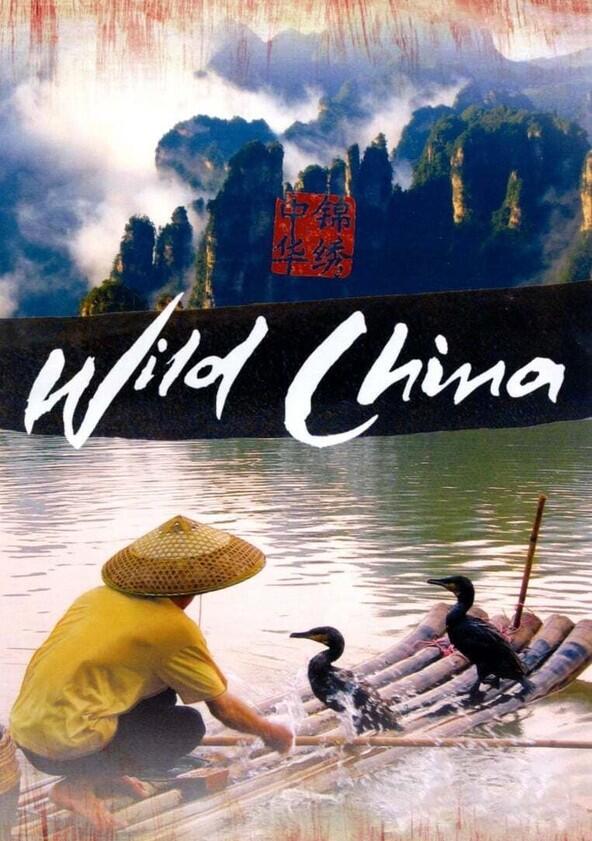
Season 1

Episodes

Heart of the Dragon
The improbable egg-carton hills of Southern China seem to float in a sea of glistening rice paddies. This is a landscape full of surprises - next to peasants ploughing with buffaloes are rivers concealing dwarf alligators and giant salamanders, trained cormorants that catch fish for their masters, bats with unusual tastes, and monkeys that hide in caves. But this isn't a nature park - almost 300 million people live here, with a tradition of eating wildlife. So what forces have shaped this remarkable landscape and how do farmers and wild creatures manage to coexist among the rocks and the rice fields?
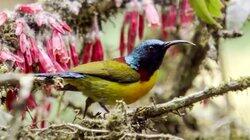
Shangri-La
Beneath billowing clouds, in China's far South West, rich jungles nestle below towering peaks. Jewel-coloured birds and ancient tribes share forested valleys where wild elephants still roam. These remote forests stretch into northern territories where normally deserts would be found. How do these forests exist? Perhaps the rugged landscape holds the key.
Tibet
The size of Western Europe, the Tibetan plateau covers a quarter of China. This vast windswept wilderness is one of the world's most remote places, defined by the glacier-strewn Himalayas. But this brutal region is home to incredible wildlife such as rare chiru, brown bear, wild yak, and even the highest predators on earth. There are more large creatures here than anywhere else in China. Tibet has a unique culture, defined by over one thousand years of Buddhism. This strange looking culture has nurtured remarkable beliefs. We will understand why this landscape and ancient culture is the life support system for much of the planet.

Beyond the Great Wall
China's heartland with its Han people is the centre of a 5,000-year-old civilization. This land contains the Great Wall, the Temple of Heaven, and Beijing's Olympic Stadium, and it's home to some of China's most charismatic creatures such as the giant panda, golden snub-nosed monkey, and golden takin. China has undergone significant development in the past 50 years, bringing many environmental problems. But the relationship of the Chinese to their environment and its creatures is in fact deep, complex, and extraordinary. We will explore this ancient relationship and understand what it means for the future of China.
Land of the Panda
China's emperors built the Great Wall to keep their kingdom safe from the hostile lands to the North. Warrior nomads, bizarre wildlife and extreme weather conditions are found beyond the Wall. How does life survive the harsh deserts and frozen wastes? But northern China is also a place of great beauty, rich with history. The legendary Silk Road drew traders across the deserts in search of fabulous wealth. Nomadic tribes hunt with golden eagles and race horses. Adapt or die is the way to survive these extreme lands, which have shaped some of China's most colourful people and wildlife.

Tides of Change
From the eastern end of the Great Wall, China's coast spans 14,000 kilometres and more than 7,000 years of history. This is a place of huge contrasts: futuristic modern cities jostling traditional seaweed-thatched villages, ancient tea terraces and wild wetlands where rare animals stil survive. Here white dolphins, red-crowned cranes, deadly vipers, giant sturgeon and sabre-wielding monkeys struggle to eke out a living faced by competition from 700 million people; widespread pollution and over-fishing. How China is managing such conflicting pressures has lessons for us all.
Recently Updated Shows

WWE Monday Night RAW
WWE Monday Night RAW is World Wrestling Entertainment's (formerly the WWF and the WWWF before that) premiere wrestling event and brand. Since its launch in 1993, WWE Monday Night RAW continues to air live on Monday nights. It is generally seen as the company's flagship program due to its prolific history, high ratings, weekly live format, and emphasis on pay-per-views. Monday Night RAW is high profile enough to attract frequent visits from celebrities who usually serve as guest hosts for a single live event. Since its first episode, the show has been broadcast live or recorded from more than 197 different arenas in 165 cities and towns in seven different nations: including the United States, Canada, the United Kingdom twice a year, Afghanistan for a special Tribute to the Troops, Germany, Japan, Italy and Mexico.

Doc
Doc centers on the hard-charging, brilliant Dr. Amy Larsen, Chief of Internal and Family Medicine at Westside Hospital in Minneapolis. After a brain injury erases the last eight years of her life, Amy must navigate an unfamiliar world where she has no recollection of patients she's treated, colleagues she's crossed, the soulmate she divorced, the man she now loves and the tragedy that caused her to push everyone away. She can rely only on her estranged 17-year-old daughter, whom she remembers as a 9-year-old, and a handful of devoted friends, as she struggles to continue practicing medicine, despite having lost nearly a decade of knowledge and experience.


Dark Matter
Hailed as one of the best sci-fi novels of the decade, Dark Matter is a story about the road not taken. The series follows Jason Dessen, a physicist, professor, and family man who – one night while walking home on the streets of Chicago – is abducted into an alternate version of his life. Wonder quickly turns to nightmare when he tries to return to his reality amid the multiverse of lives he could have lived. In this labyrinth of mind-bending realities, he embarks on a harrowing journey to get back to his true family and save them from the most terrifying, unbeatable foe imaginable: himself.
