
Charles Dickens

Charles Dickens

CountryUnited Kingdom United Kingdom
GenderMale
BirthdayFeb 7, 1812
Death1870-06-09
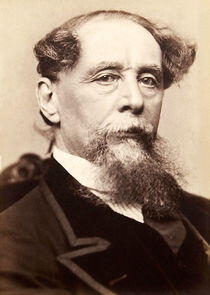
BiographyCharles John Huffam Dickens ( ; 7 February 1812 – 9 June 1870) was an English writer and journalist. He created some of literature's best-known fictional characters, and is regarded by many as the greatest novelist of the Victorian era. His works enjoyed unprecedented popularity during his lifetime and, by the 20th century, critics and scholars had recognised him as a literary genius. His novels and short stories are widely read today.

Born in Portsmouth, Dickens left school at age 12 to work in a boot-blacking factory when his father John was incarcerated in a debtors' prison. After three years, he returned to school before beginning his literary career as a journalist. Dickens edited a weekly journal for 20 years; wrote 15 novels, 5 novellas, hundreds of short stories and nonfiction articles; lectured and performed readings extensively; was a tireless letter writer; and campaigned vigorously for children's rights, education and other social reforms.

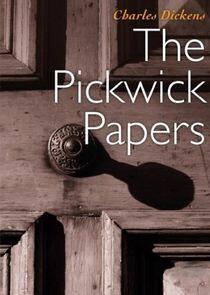
Dickens's literary success began with the 1836 serial publication of The Pickwick Papers, a publishing phenomenon—thanks largely to the introduction of the character Sam Weller in the fourth episode—that sparked Pickwick merchandise and spin-offs. Within a few years, Dickens had become an international literary celebrity, famous for his humour, satire and keen observation of character and society. His novels, most of them published in monthly or weekly instalments, pioneered the serial publication of narrative fiction, which became the dominant Victorian mode for novel publication. Cliffhanger endings in his serial publications kept readers in suspense. The installment format allowed Dickens to evaluate his audience's reaction, and he often modified his plot and character development based on such feedback. For example, when his wife's podiatrist expressed distress at the way Miss Mowcher in David Copperfield seemed to reflect her own disabilities, Dickens improved the character with positive features. His plots were carefully constructed and he often wove elements from topical events into his narratives. Masses of the illiterate poor would individually pay a halfpenny to have each new monthly episode read to them, opening up and inspiring a new class of readers.

His 1843 novella A Christmas Carol remains especially popular and continues to inspire adaptations in every creative medium. Oliver Twist and Great Expectations are also frequently adapted and, like many of his novels, evoke images of early Victorian London. His 1853 novel Bleak House, a satire on the judicial system, helped support a reformist movement that culminated in the 1870s legal reform in England. A Tale of Two Cities (1859; set in London and Paris) is regarded as his best-known work of historical fiction. The most famous celebrity of his era, he undertook, in response to public demand, a series of public reading tours in the later part of his career. The term Dickensian is used to describe something that is reminiscent of Dickens and his writings, such as poor social or working conditions, or comically repulsive characters.

Biography from the Wikipedia article Charles Dickens. Licensed under CC-BY-SA. Full list of contributors on Wikipedia.

Part of Crew

The Artful Dodger
Running
A Tale Of Two Cities
Upcoming
CBeebies Panto
To Be Determined
A Christmas Carol
Ended
A Tale of Two Cities
Ended
A Tale of Two Cities
Ended
Barnaby Rudge
Ended
Bleak House
Ended
Bleak House
Ended
Bleak House
Ended
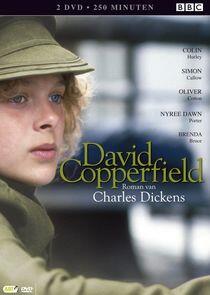
David Copperfield
Ended
David Copperfield
Ended
David Copperfield
Ended
David Copperfield
Ended
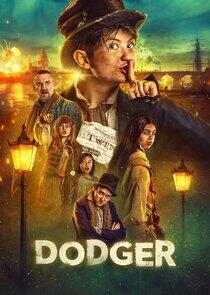
Dodger
Ended
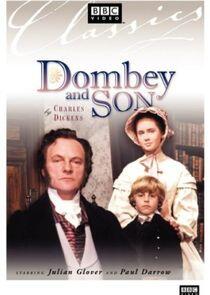
Dombey and Son
Ended
Escape of the Artful Dodger
Ended
Great Expectations
Ended
Great Expectations
Ended
Great Expectations
Ended
Great Expectations
Ended
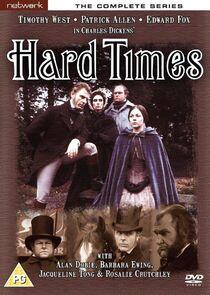
Hard Times
Ended
Hard Times
Ended
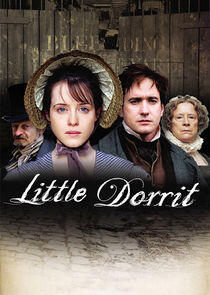
Little Dorrit
Ended
Martin Chuzzlewit
Ended
Micawber
Ended
Nicholas Nickleby
Ended
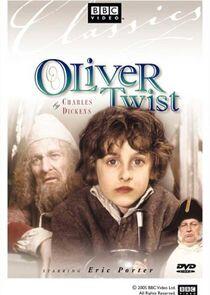
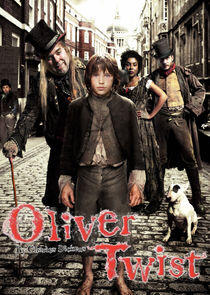
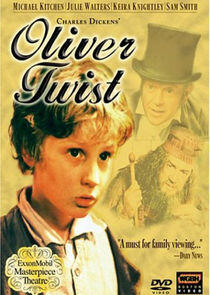
Oliver Twist
Ended
Oliver Twist
Ended
Oliver Twist
Ended
Oliver Twist
Ended
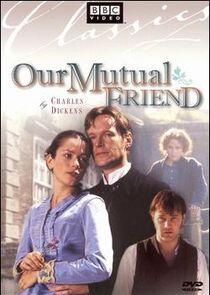
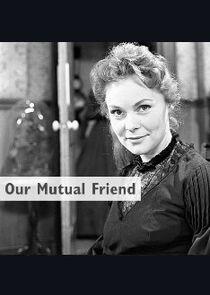
Our Mutual Friend
Ended
Our Mutual Friend
Ended
Saban's Adventures of Oliver Twist
Ended
The Bleak Old Shop of Stuff
Ended
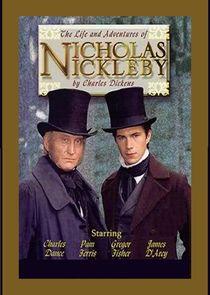
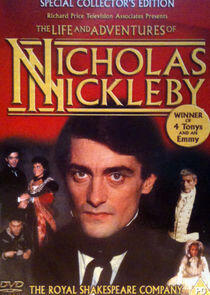
The Life and Adventures of Nicholas Nickleby
Ended
The Life and Adventures of Nicholas Nickleby
Ended
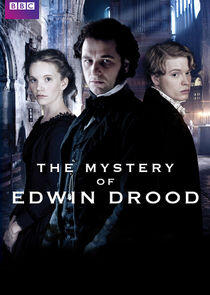
The Mystery of Edwin Drood
Ended
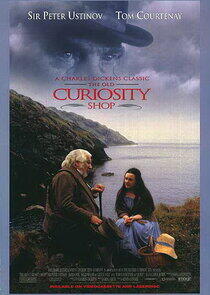
The Old Curiosity Shop
Ended
The Old Curiosity Shop
Ended
The Pickwick Papers
Ended
Тайна Эдвина Друда
Ended

Recently Updated Shows

Recently updated shows that might be of your interest.
Furious
Running

Furious

Furious follows an FBI agent, Alice Black, on the hunt for a mysterious and calculating female serial killer. Both walk their own paths toward justice, and as their lives start to intertwine, the line between right and wrong begins to blur.

Lioness
Running

Lioness

Lioness, inspired by an actual U.S. Military program, follows the life of Joe while she attempts to balance her personal and professional life as the tip of the CIA's spear in the war on terror. The Lioness Program, overseen by Kaitlyn Meade and Donald Westfield, enlists an aggressive Marine Raider named Cruz to operate undercover alongside Joe among the power brokers of State terrorism in the CIA's efforts to thwart the next 9/11.

Ted Lasso
Running

Ted Lasso

Ted Lasso centers on an idealistic — and clueless — all-American football coach hired to manage an English football club — despite having no soccer coaching experience at all.

Chad Powers
Running

Chad Powers

Eight years after an unforgivable mistake nukes his promising college football career, hotshot quarterback Russ Holliday tries to resurrect his dreams by disguising himself as Chad Powers — a talented oddball who walks onto the struggling South Georgia Catfish.

Star Trek: Strange New Worlds
Running

Star Trek: Strange New Worlds

Star Trek: Strange New Worlds follows Captain Pike, Science Officer Spock and Number One in the decade before Captain Kirk boarded the U.S.S. Enterprise, as they explore new worlds around the galaxy.