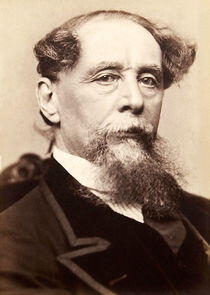

Charles Dickens
Born in Portsmouth, Dickens left school at age 12 to work in a boot-blacking factory when his father John was incarcerated in a debtors' prison. After three years, he returned to school before beginning his literary career as a journalist. Dickens edited a weekly journal for 20 years; wrote 15 novels, 5 novellas, hundreds of short stories and nonfiction articles; lectured and performed readings extensively; was a tireless letter writer; and campaigned vigorously for children's rights, education and other social reforms.
Dickens's literary success began with the 1836 serial publication of The Pickwick Papers, a publishing phenomenon—thanks largely to the introduction of the character Sam Weller in the fourth episode—that sparked Pickwick merchandise and spin-offs. Within a few years, Dickens had become an international literary celebrity, famous for his humour, satire and keen observation of character and society. His novels, most of them published in monthly or weekly instalments, pioneered the serial publication of narrative fiction, which became the dominant Victorian mode for novel publication. Cliffhanger endings in his serial publications kept readers in suspense. The installment format allowed Dickens to evaluate his audience's reaction, and he often modified his plot and character development based on such feedback. For example, when his wife's podiatrist expressed distress at the way Miss Mowcher in David Copperfield seemed to reflect her own disabilities, Dickens improved the character with positive features. His plots were carefully constructed and he often wove elements from topical events into his narratives. Masses of the illiterate poor would individually pay a halfpenny to have each new monthly episode read to them, opening up and inspiring a new class of readers.
His 1843 novella A Christmas Carol remains especially popular and continues to inspire adaptations in every creative medium. Oliver Twist and Great Expectations are also frequently adapted and, like many of his novels, evoke images of early Victorian London. His 1853 novel Bleak House, a satire on the judicial system, helped support a reformist movement that culminated in the 1870s legal reform in England. A Tale of Two Cities (1859; set in London and Paris) is regarded as his best-known work of historical fiction. The most famous celebrity of his era, he undertook, in response to public demand, a series of public reading tours in the later part of his career. The term Dickensian is used to describe something that is reminiscent of Dickens and his writings, such as poor social or working conditions, or comically repulsive characters.
Biography from the Wikipedia article Charles Dickens. Licensed under CC-BY-SA. Full list of contributors on Wikipedia.
Part of Crew

A Tale Of Two Cities

The Artful Dodger

A Christmas Carol

A Tale of Two Cities

A Tale of Two Cities
Barnaby Rudge
Bleak House
Bleak House
David Copperfield
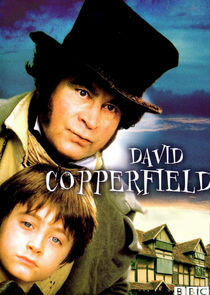
David Copperfield
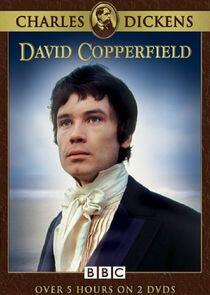
David Copperfield
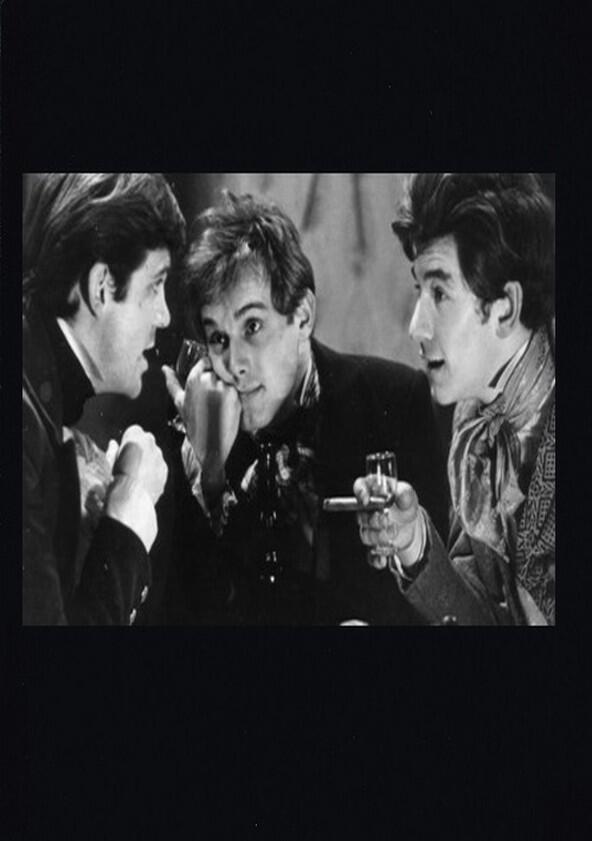
David Copperfield
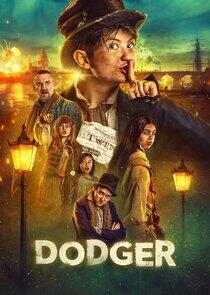
Dombey and Son

Escape of the Artful Dodger

Great Expectations
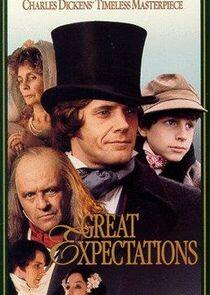
Great Expectations
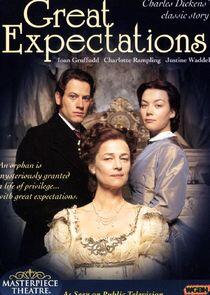
Great Expectations
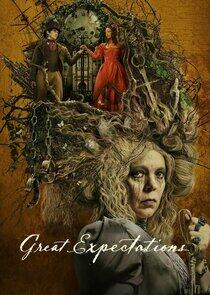
Great Expectations
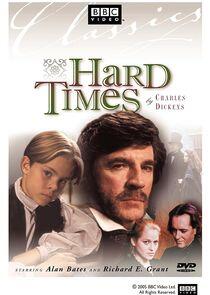
Hard Times
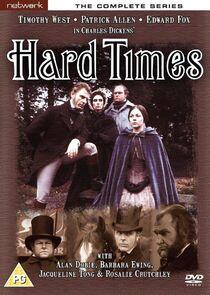
Hard Times
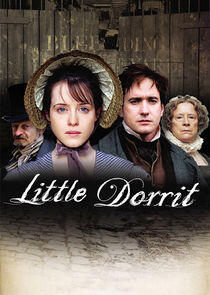
Little Dorrit

Martin Chuzzlewit

Micawber

Nicholas Nickleby
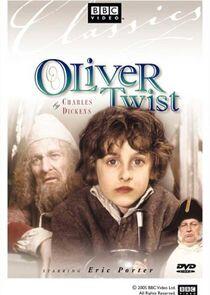
Oliver Twist

Oliver Twist
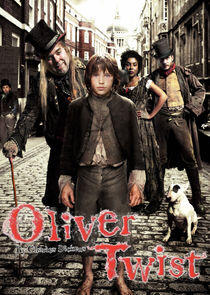
Oliver Twist
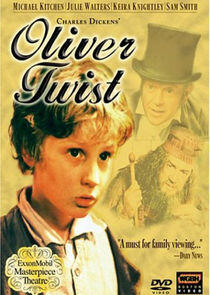
Oliver Twist
Our Mutual Friend
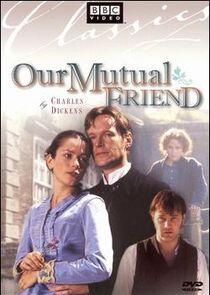
Our Mutual Friend

The Bleak Old Shop of Stuff

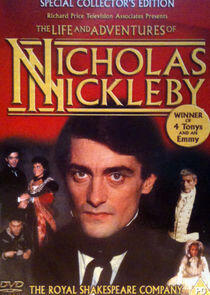
The Life and Adventures of Nicholas Nickleby
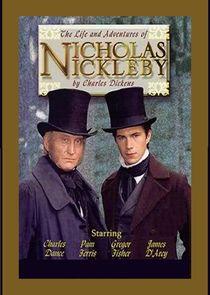
The Life and Adventures of Nicholas Nickleby
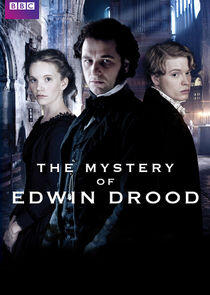
The Mystery of Edwin Drood

The Old Curiosity Shop
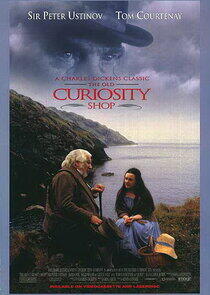
The Old Curiosity Shop
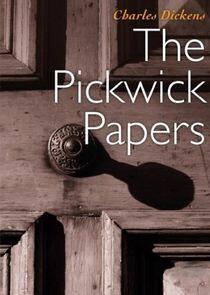
The Pickwick Papers
Recently Updated Shows


The Rookie
The Rookie is inspired by a true story. John Nolan is the oldest rookie in the LAPD. At an age where most are at the peak of their career, Nolan cast aside his comfortable, small town life and moved to L.A. to pursue his dream of being a cop. Now, surrounded by rookies twenty years his junior, Nolan must navigate the dangerous, humorous and unpredictable world of a "young" cop, determined to make his second shot at life count.

Chicago P.D.
District 21 of the Chicago Police Department is made up of two distinctly different groups. There are the uniformed cops who patrol the beat and go head to head with the city's street crimes. And there's the Intelligence Unit, the team that combats the city's major offenses - organized crime, drug trafficking, high profile murders and beyond. These are their stories.

Chicago Fire
No job is more stressful, dangerous or exhilarating than those of the Firefighters, Rescue Squad and Paramedics of Chicago Firehouse 51. These are the courageous men and women who forge headfirst into danger when everyone else is running the other way and whose actions make the difference between life and death. These are their stories.